
3. Kennel Cough or Tracheobronchitis in Dogs
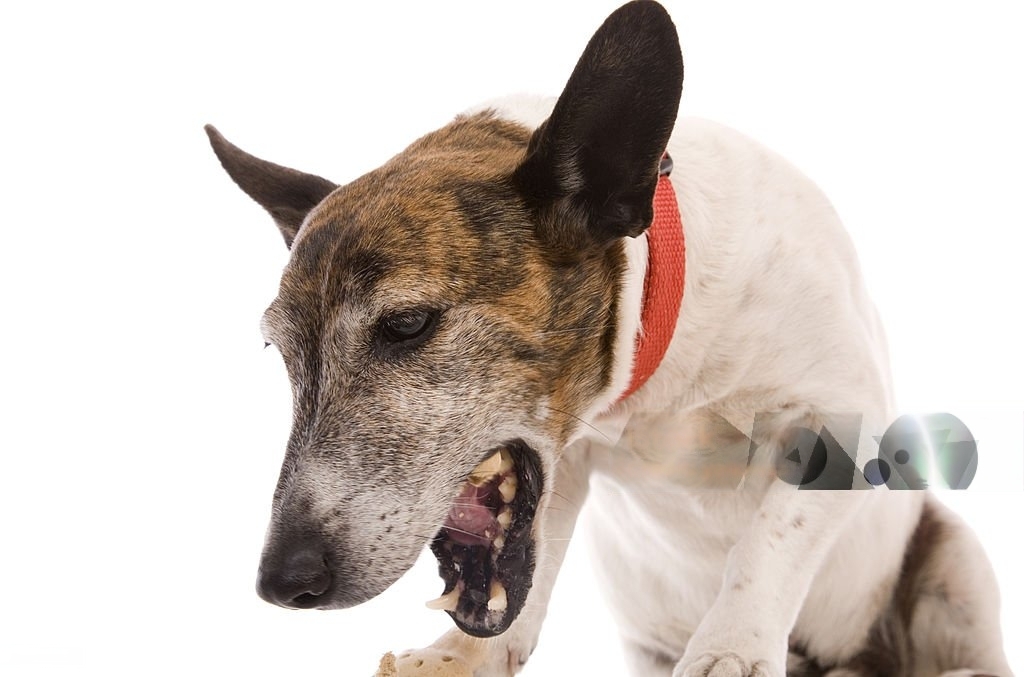
Clinical signs may be variable. It is often a mild disease, but the cough may be chronic,
lasting for several weeks in some cases. Common clinical signs include a loud cough often
describe as a “goose honk”, runny eyes and nose, swollen tonsils, wheezing, lack of appetite,
and depressed behavior. Most dogs with infectious tracheobronchitis will cough when the
throat is rubbed or palpated, or during and after exercise. Often, the hacking cough caused by
kennel cough will persist for several weeks after the infection. If your dog has kennel cough
it is unlikely that they will lose their appetite or become lethargic.
Kennel cough is very contagious, and dogs can readily transmit it by casual contact such as
sniffing each other when on a walk, playing, or sharing water dishes. Certain factors increase
the likelihood that your dog may contract kennel cough including stress, cold temperatures,
exposure to dust or smoke, and crowded conditions.
Most vaccination programs your veterinarian will recommend include adenovirus and
parainfluenza. Bordetella vaccination is also highly recommended for dogs that are boarded,
groomed, or interact with other dogs in areas such as dog parks.
Treatment of simple bloat can be quite straightforward. Dogs are usually hospitalized to
receive large amounts of intravenous fluids and sometimes medicine. They’re also walked
often to stimulate the movement of the gastrointestinal tract to help move the gas and food
quickly through the body.
A dog with GDV requires more intense care that typically includes:
Intravenous fluids with electrolytes to aggressively treat shock and improve
circulation to vital organs.
- Pain medications and often antibiotics to treat discomfort, shock, and any death of
tissues from the loss of circulation. - A procedure to decompress the stomach by removing gas from the stomach to allow
blood flow to the lower half of the body. In some instances, this helps untwist the
stomach. - Electrocardiogram (ECG) to monitor for any heart abnormalities which are frequently
due to toxins from decreased circulation. - Feed small meals a few times throughout the day instead of 1 or 2 large meals
- Avoid gorging on the water when drinking
- Discuss preventative surgery with your veterinarian for breeds at higher risk of bloat.
- Wait at least 1 hour after a meal or drink a large amount of water for any exercise orSurgery is performed as soon as the dog is as stable as possible. Depending on the
severity of bloat, a vet may have to untwist the dog’sThis can often be performed during your pet’s spay or neuter procedure. After proper diagnosis, dogs with simple bloat tend to bounce back into their normal lives and routines 1 to 2 days after receiving fluids and taking frequent walks. Following GDV surgery, a dog will remain in the hospital until the pain is controlled, blood tests indicate normal enzyme levels, and the dog is eating and drinking well on its own. The length of time in the hospital depends on the dog’s health history and severity of bloat and may be anywhere from 1 to 2 days, to up to 7 or more. Regardless of the type of bloat or treatment a dog experienced, vets suggest the same steps to lower the risk of bloat in the future:
- Never leave large bags or bins of food accessible to your dog to avoid overeating.
- Do not use raised food bowls unless advised by your veterinarian (some pets require a
raised food bowl due to a medical condition) playtime. This can often be performed during your pet’s spay or neuter procedure. and/or spleen andremove any part of the stomach wall that may have died due to loss of blood flow.The vet will also stitch the stomach to the body wall in a procedure called gastropexy.This significantly reduces the risk of rotation of the stomach in the future.
- Wait at least 1 hour after a meal or drink a large amount of water for any exercise orSurgery is performed as soon as the dog is as stable as possible. Depending on the
Bordetella vaccination is given either by injection, oral or intra-nasal route. Intra-nasal refers
to the liquid vaccine administered as nose drops. The oral vaccine is administered directly
into the cheek pouch. This allows local immunity to develop on the mucous membranes of
the nose, throat, and windpipe where the infectious agents first attack and provides more
rapid protection against infection than the injectable vaccine.
Symptoms of bloat usually occur without warning and progress quickly. A dog may pant,
pace or drool or appear to be dry-heaving (attempting to vomit) without being able to throw
up. Anxiety and abdominal distention are also common symptoms. In severe cases, dogs may
collapse or have an elevated heart rate and/or pale gums.