
7. Diarrhea
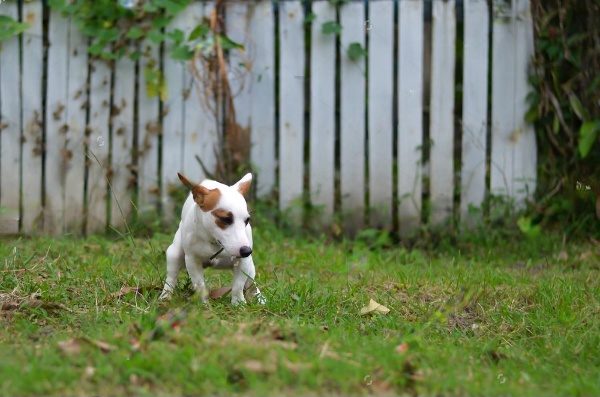
- If you’re seeing an abnormal increase in the amount of fluid in your pet’s feces, they might
be suffering from diarrhea. Sometimes it may just last for a few days but in severe cases, it
can also last for weeks or months. So, it is always best to be prepared well in advance so it
isn’t a miserable experience for both you and your dog. As a pet parent, you should ensure
that your dog is well-fed, and cleaned, and that hygiene is maintained during this time to
prevent aggravation of the issue.
Diarrhea or a loose stool can be accompanied by the following symptoms:
- Vomiting
- Loss of appetite
- Weight loss
- Rumbling in the belly
- Blood in the stool (digested and black in color or red and possibly slimy withmucus)
As with most animals, dogs tend to put almost anything in their mouth. If your dog is usually
healthy and suddenly gets diarrhea, it could be because of many reasons like:
- A sudden change in diet, or overeating
- Cancer or other tumors of the digestive tract
- Certain adverse reactions to medications
- Intestinal infection from bacteria, viruses, coccidia, etc.
- Stress
- Allergic reactions to certain food items (milk, gluten, soy, etc.)
- Intake of indigestible material like rocks, bones, toxic plastic material, etc.
- Kidney or liver disease
- Inflammatory bowel disease
As with most animals, dogs tend to put almost anything in their mouth. If your dog is usually
healthy and suddenly gets diarrhea, it could be because of many reasons like:
- A sudden change in diet, or overeating
- Cancer or other tumors of the digestive tract
- Certain adverse reactions to medications
- Intestinal infection from bacteria, viruses, coccidia, etc.
- Stress
- Allergic reactions to certain food items (milk, gluten, soy, etc.)
- Intake of indigestible material like rocks, bones, toxic plastic material, etc.
- Kidney or liver disease
- Inflammatory bowel disease