
4. Canine Distemper
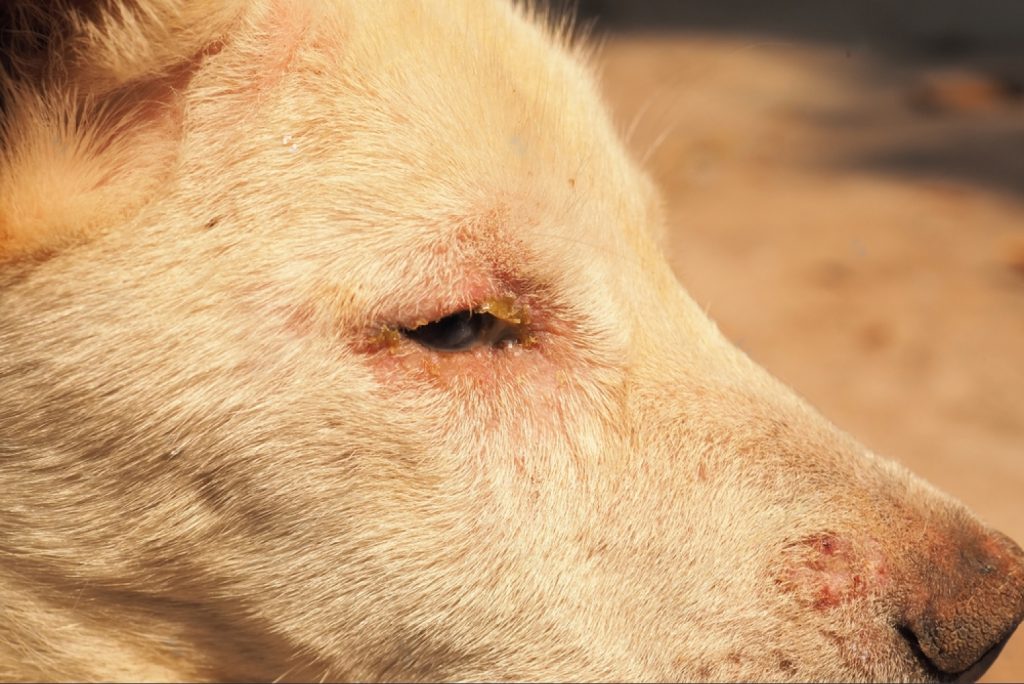
Canine distemper is a contagious and serious disease caused by a virus that attacks the respiratory, gastrointestinal, and nervous systems of puppies and dogs. The virus can also be found in wildlife such as foxes, wolves, coyotes, raccoons, skunks, mink, and ferrets and has been reported in lions, tigers, leopards, and other wild cats as well as seals.
Puppies and dogs most often become infected through airborne exposure (through sneezing
or coughing) to the virus from an infected dog or wild animal. The virus can also be
transmitted by shared food and water bowls and equipment. Infected dogs can shed the virus
for months, and mother dogs can pass the virus through the placenta to their puppies.
Because canine distemper also impacts wildlife populations, contact between wild animals
and domestic dogs can facilitate the spread of the virus. Canine distemper outbreaks in local
raccoon populations can signal increased risk for pet dogs in the area.
All dogs are at risk but puppies younger than four months old and dogs that have not been
vaccinated against canine distemper are at increased risk of acquiring the disease.
What are the symptoms of canine distemper?
Initially, infected dogs will develop watery to pus-like discharge from their eyes. They then
develop fever, nasal discharge, coughing, lethargy, reduced appetite, and vomiting. As the
virus attacks the nervous system, infected dogs develop circling behavior, head tilt, muscle
twitches, convulsions with jaw chewing movements and salivation (“chewing gum fits”),
seizures, and partial or complete paralysis. The virus may also cause the footpads to thicken
and harden, leading to its nickname “hard pad disease.”
In wildlife, infection with canine distemper closely resembles rabies.
Distemper is often fatal, and dogs that survive usually have permanent, irreparable nervous
system damage.
Veterinarians diagnose canine distemper through clinical appearance and laboratory testing.
There is no cure for canine distemper infection. Treatment typically consists of supportive
care and efforts to prevent secondary infections; control vomiting, diarrhea, and neurologic
symptoms; and combat dehydration through the administration of fluids. Dogs infected with
canine distemper must be separated from other dogs to minimize the risk of further infection.
Vaccination is crucial in preventing canine distemper.
- A series of vaccinations are administered to puppies to increase the likelihood of building immunity when the immune system has not yet fully matured.
- Avoid gaps in the immunization schedule and make sure distemper vaccinations are up to date.
- Avoid contact with infected animals and wildlife
- Use caution when socializing puppies or unvaccinated dogs at parks, puppy classes, obedience classes, doggy daycare, and other places where dogs can congregate.
- Pet ferrets should be vaccinated against canine distemper using a USDA-approved ferret vaccine.